
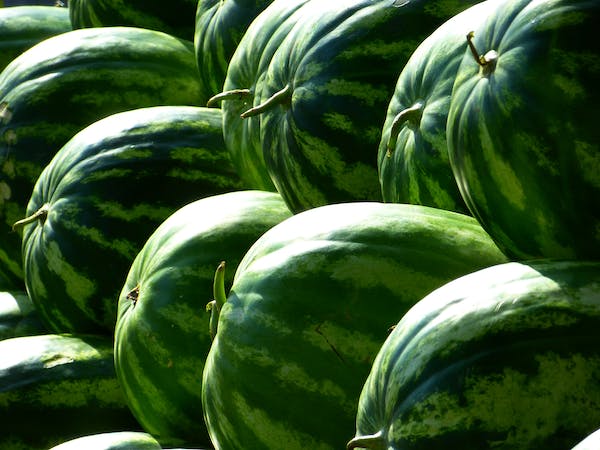
Watermelon export quality depends on the agreed variety, maturity, size, external condition, packing and delivery plan. Buyers should compare suppliers using measurable specifications instead of rankings or unsupported claims.
Define the Order Specification
Confirm the preferred variety or type, average weight, size range, external colour, flesh characteristics, packaging method, volume and delivery window. Requirements may differ for retailers, wholesalers, food-service buyers and processors.
Assess Maturity and Condition
Watermelons should be harvested at a maturity suited to the intended market and transit time. Buyers should ask how the supplier checks maturity and how fruit is inspected for cuts, bruising, sunburn, pest damage, decay and irregular shape.
- Agree on weight and size tolerances.
- Define acceptable external appearance.
- Confirm maturity indicators and sampling.
- Set defect tolerances in writing.
Review Handling and Packing
Careful field handling and loading help reduce impact damage. The packing format, separators, pallet arrangement and vehicle conditions should protect the fruit throughout the planned route.
Confirm Traceability and Documents
Ask how lots are identified from receiving through dispatch. The supplier should confirm which export, phytosanitary and commercial documents will accompany the consignment, based on the product and destination market.
Plan the Delivery
Before confirming an order, agree on lead time, route, Incoterms, payment terms and the process for recording product condition on arrival. Clear photographs, inspection records and prompt communication help both parties assess any quality concern.
Sourcing Kenyan Watermelons
Afrisun Orchards supplies Kenyan watermelons subject to current harvest availability and the buyer’s specification. The team confirms volume, grading, packing, documentation and delivery planning for each enquiry. Contact Afrisun Orchards with your destination, preferred size, quantity and required delivery window.